











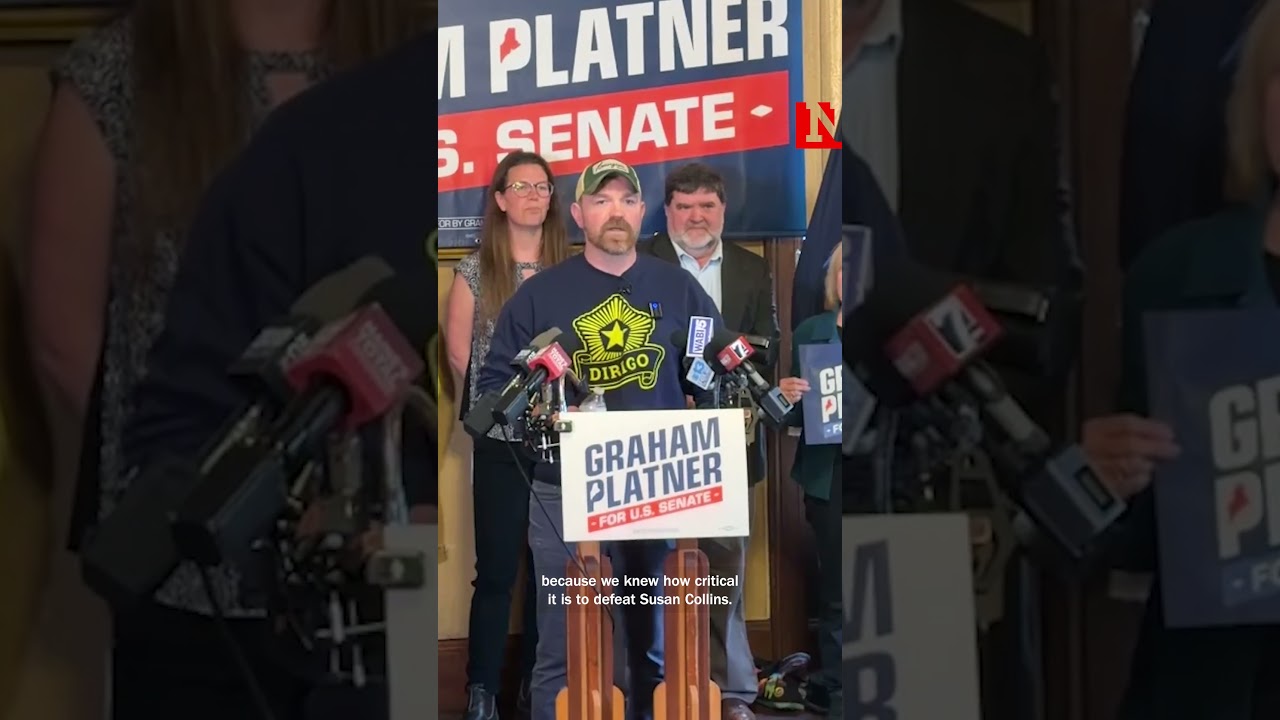
Graham Platner Poised for Democratic Nomination After Mills Exits Maine Senate Race

In a significant turn of events in the Maine Senate race, Governor Janet Mills has officially withdrawn her candidacy, paving the way for Graham Platner to become the likely Democratic nominee. This development has shifted the political landscape in Maine, as the race now centers on Platner’s potential matchup against incumbent Republican Senator Susan Collins.
Janet Mills’ Withdrawal: A Strategic Move
Janet Mills announced her decision to exit the Senate race on April 30, 2026, a move that surprised many political observers. Her departure from the race allows Platner to step forward without facing a primary challenge from a sitting governor. According to Politico, Mills’ exit is seen as a strategic decision that could consolidate Democratic support behind Platner.
Implications for the Democratic Party
With Mills out, the Democratic Party in Maine is now focusing on rallying behind Platner. However, he expressed concerns that the party leadership has not yet reached out to him following Mills’ announcement. In an interview with WGME, Platner stated, “I hope to see more engagement from the party as we move forward.” This lack of communication could pose challenges as he prepares for the general election.
Graham Platner: The New Face of the Democratic Campaign
Graham Platner, a relatively new figure in Maine politics, has quickly gained traction among Democratic voters. His campaign focuses on progressive issues, including healthcare reform and climate change, which resonate with many constituents in the state. Platner’s ability to connect with voters on these critical topics will be vital as he transitions from a lesser-known candidate to the face of the Democratic campaign.
Challenges Ahead: Facing Susan Collins
Platner’s main challenge will be to unseat Susan Collins, a long-serving senator known for her moderate stance and bipartisan appeal. Collins has a strong support base in Maine, and her incumbency will be a significant hurdle for Platner. Political analysts predict a competitive race, especially as Collins has begun to ramp up her campaign efforts in response to Platner’s emerging candidacy.
Public Response and Polling Insights
The public response to Mills’ exit and Platner’s ascension has been mixed. Some Democratic voters are enthusiastic about a fresh face in the race, while others express concern over Platner’s experience and ability to win against Collins. Recent polling indicates that while Collins maintains a lead, many voters are open to considering Platner as a viable alternative.
Fundraising Efforts and Campaign Strategy
As Platner prepares for the campaign ahead, fundraising will be crucial. He will need to build a robust financial base to compete with Collins, who has access to significant resources. According to CBS News, Platner’s campaign team is already strategizing on how to maximize outreach and fundraising efforts in the coming months.
Looking Forward: The Road to November
The political landscape in Maine is rapidly evolving, and with Mills’ departure, all eyes are now on Graham Platner. His ability to unite the Democratic base and effectively challenge Collins will determine the outcome of this pivotal Senate race. As the election date approaches, both candidates will need to refine their messages and connect with voters on the issues that matter most to the people of Maine.
With the stakes high and the political climate charged, the upcoming months will be critical for Platner as he seeks to establish himself as a formidable candidate in the 2026 Senate race. The dynamics of this election will not only shape the future of Maine politics but could also have broader implications for the Democratic Party’s strategy in the upcoming national elections.
For more updates, check our latest news coverage.