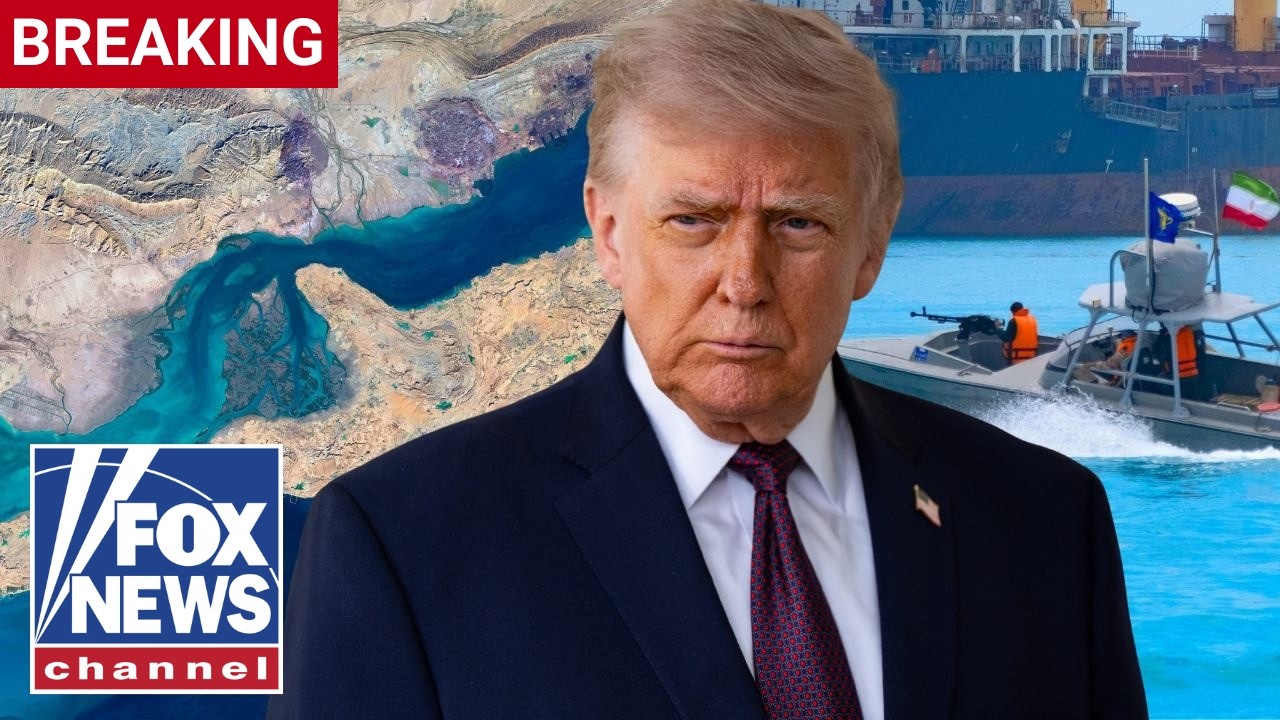
In a significant development in maritime security, former President Donald Trump has announced that the United States will initiate a new operation called Project Freedom. This initiative aims to escort neutral ships through the strategically vital Strait of Hormuz, starting Monday, May 5, 2026. The announcement comes amid rising tensions in the region, particularly concerning the safety of commercial vessels navigating these crucial waters.
Details of Project Freedom
Trump’s declaration was made during a press conference where he emphasized the importance of ensuring the safe passage of ships in the Strait of Hormuz, a critical chokepoint for global oil supplies. According to Trump, the U.S. Navy will play a pivotal role in this operation, providing military escorts to vessels flagged under neutral countries. This move is seen as a direct response to recent incidents involving the harassment of commercial shipping by hostile forces in the region.
Strategic Importance of the Strait of Hormuz
The Strait of Hormuz is one of the most crucial maritime routes in the world, with approximately 20% of the global oil supply passing through it daily. Any disruption in this area can have far-reaching implications for global energy markets and international trade. Trump’s initiative aims to reassure shipping companies and nations that the U.S. is committed to maintaining freedom of navigation in these waters.
International Reactions
The announcement of Project Freedom has elicited mixed reactions from various stakeholders. Some countries have welcomed the initiative as a necessary step to enhance maritime security, while others view it as a potential escalation of tensions in an already volatile region. According to reports, several nations are considering joining the U.S. in this escort mission, highlighting the collaborative effort to ensure safe passage for commercial vessels.
Concerns Over Escalation
Critics of the operation have raised concerns that increased military presence in the Strait of Hormuz could lead to heightened tensions with Iran, which has historically opposed U.S. military operations in the region. Iran has previously threatened to disrupt shipping in response to perceived provocations, and the introduction of U.S. escorts could exacerbate these threats. Analysts are closely monitoring the situation to see how Iran will react to this new initiative.
Operational Details and Logistics
According to sources, the U.S. Navy will deploy additional naval assets to the region to support Project Freedom. These assets will include destroyers and support vessels capable of providing protection to commercial ships. The operation is expected to be coordinated with maritime traffic control systems to ensure seamless integration with commercial shipping schedules.
Timeline and Implementation
Project Freedom is set to officially commence on May 5, 2026, with initial escorts focusing on vessels that are flagged under neutral countries. Trump has indicated that the operation will be dynamic, adapting to the evolving security landscape in the region. The U.S. is also expected to engage in diplomatic discussions with allies to ensure a unified approach to maritime security.
Potential Impact on Global Oil Prices
Market analysts are already speculating about the potential impact of Project Freedom on global oil prices. With the Strait of Hormuz being a critical passage for oil tankers, any disruptions or perceived threats can lead to fluctuations in oil prices. The U.S. government’s commitment to safeguarding this route may provide some stability in the market, but the situation remains fluid.
Market Reactions
Following the announcement, oil futures experienced a slight increase as traders reacted to the news. The expectation is that increased military presence will deter potential threats, thus stabilizing the flow of oil through the Strait. However, analysts warn that any aggressive actions from Iran could lead to immediate spikes in oil prices, reflecting the delicate balance of geopolitical dynamics in the region.
Looking Ahead
As Project Freedom unfolds, the eyes of the world will be on the Strait of Hormuz. The operation not only signifies a commitment to maritime security but also highlights the ongoing geopolitical tensions in the Middle East. The U.S. Navy’s role in this initiative will be crucial in determining the effectiveness of the operation and its impact on regional stability.
In summary, Project Freedom represents a significant shift in U.S. maritime policy in the Strait of Hormuz. With the potential to reshape security dynamics in the region, the initiative underscores the importance of international cooperation in ensuring the safety of global shipping routes. As the situation develops, stakeholders will be keenly observing the implications for trade, energy markets, and international relations.
For more information on the ongoing situation in the Strait of Hormuz and the implications of Project Freedom, you can visit Al Jazeera.