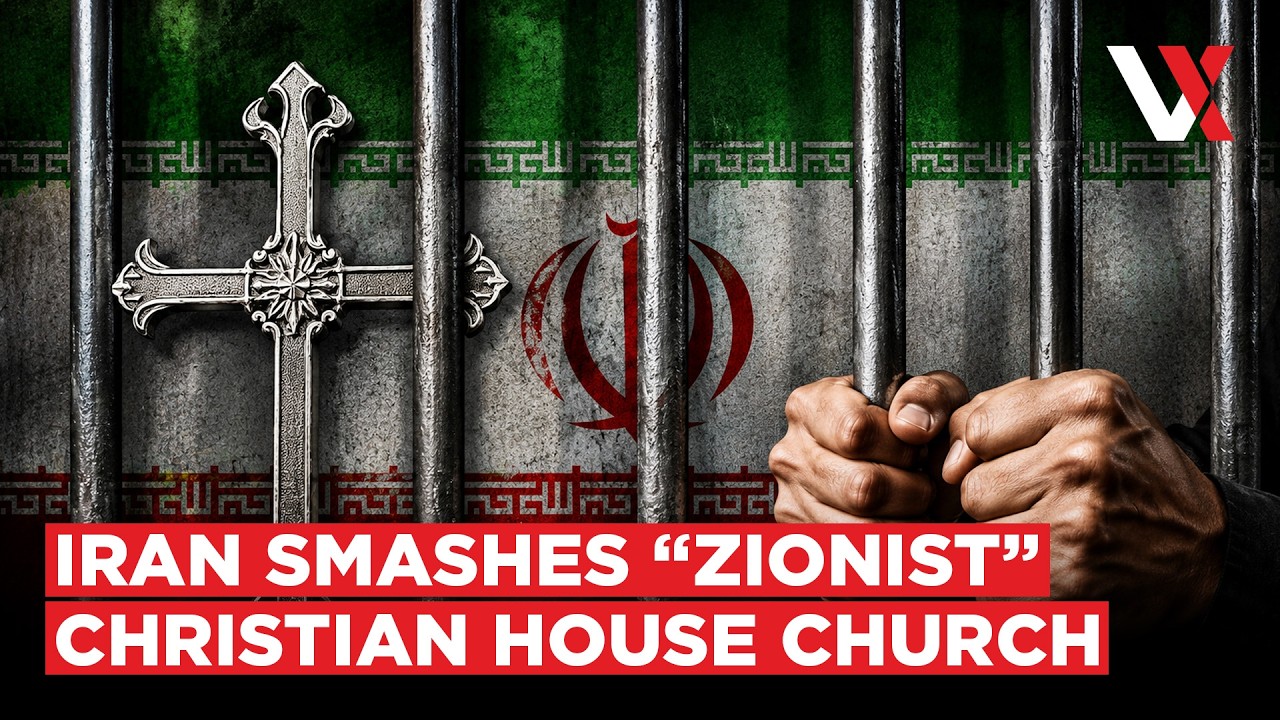
The Zionist movement has faced significant challenges in recent months, with rising anti-Zionist sentiments gaining traction across various platforms and communities. This article delves into what has happened to the Zionist movement, examining the implications of these developments for Israel and the broader geopolitical landscape.
Rising Anti-Zionist Sentiments
Recent reports indicate a marked increase in anti-Zionist rhetoric, particularly in Western countries. According to JNS.org, this “anti-Zionist contagion” has been fueled by a combination of political activism and social media campaigns that seek to delegitimize Israel’s right to exist as a Jewish state. Activists have been vocal in their opposition, often framing their arguments within the context of human rights and social justice.
Social Media’s Role
Platforms like Twitter and Facebook have become battlegrounds for ideological clashes surrounding Zionism. The spread of misinformation and the amplification of anti-Zionist narratives have complicated public discourse. Many young people, especially on college campuses, are increasingly influenced by these narratives, leading to heightened tensions and protests against pro-Zionist events.
Political Implications of Anti-Zionism
The rise of anti-Zionist sentiments is not just a social issue; it has significant political ramifications. The Jewish Standard highlights the complexity of the situation, noting that the intersection of anti-Zionism with broader anti-Semitic sentiments can create a challenging environment for Jewish communities worldwide. This has led to calls for more robust measures to combat hate speech and protect Jewish identity.
Legislative Responses
In response to the growing anti-Zionist movement, some governments are considering or have implemented legislation aimed at combating anti-Semitism. For instance, certain countries have adopted the International Holocaust Remembrance Alliance (IHRA) definition of anti-Semitism, which includes anti-Zionism as a form of discrimination. This legal framework aims to provide a clearer basis for addressing hate crimes and protecting Jewish communities.
The Impact on Israel’s Global Standing
The increasing anti-Zionist sentiment poses challenges for Israel’s diplomatic relations. Countries that have historically supported Israel are now facing internal pressures to reevaluate their stances. This shift could lead to a more polarized international community, where support for Israel becomes a contentious issue in political discourse.
International Reactions
International reactions to the anti-Zionist movement have varied significantly. Some nations have reaffirmed their commitment to Israel, while others have taken a more critical stance, often influenced by domestic political considerations. As debates continue, the Israeli government is tasked with navigating these complex relationships while maintaining its security and international standing.
Community Responses and Activism
In light of these developments, pro-Zionist organizations are ramping up their efforts to counteract anti-Zionist narratives. Community leaders and activists are working to educate the public about the historical and cultural significance of Zionism, aiming to foster a more nuanced understanding of the issues at play.
Grassroots Movements
Grassroots movements have emerged in various cities, focusing on promoting dialogue and understanding between communities. These initiatives seek to bridge the gap between differing perspectives, emphasizing the importance of coexistence and mutual respect. By engaging in constructive conversations, advocates hope to mitigate the polarization that has characterized recent debates.
Looking Ahead: The Future of Zionism
The future of the Zionist movement remains uncertain as it grapples with both internal and external challenges. The rise of anti-Zionism has prompted a reevaluation of strategies within the movement, as leaders seek to adapt to changing political landscapes and societal attitudes.
Potential for Reconciliation
Despite the challenges, there is potential for reconciliation and dialogue. Many believe that addressing the root causes of anti-Zionism—such as historical grievances and socio-political inequalities—could pave the way for a more peaceful coexistence. Engaging with critics of Zionism in a respectful manner may help to foster understanding and reduce tensions.
As the situation evolves, the Zionist movement will need to remain vigilant and responsive to the shifting dynamics both within Israel and globally. The ongoing discourse surrounding Zionism and anti-Zionism is likely to shape the future of Israeli society and its relationships with the international community.
For more insights on the current state of the Zionist movement and its implications, you can refer to the detailed analysis provided by JNS.org.