










Escalating Tensions: Trump and Rubio Hint at Possible Military Action in Cuba

The political landscape surrounding Cuba has intensified dramatically in recent days, with former President Donald Trump and Senator Marco Rubio engaging in increasingly aggressive rhetoric that suggests a military intervention could be on the horizon. This development has prompted concerns among Senate Republicans, who are cautioning against any hasty military action.
Trump and Rubio’s Rhetoric Fuels Speculation
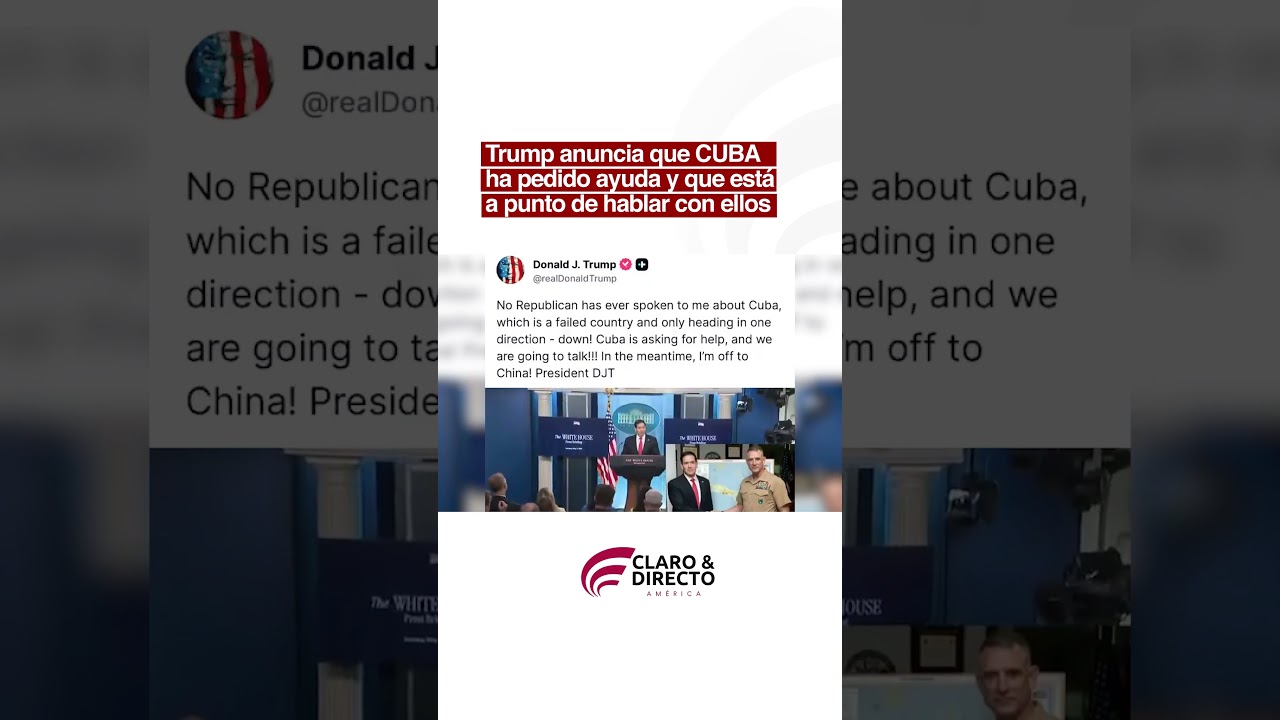
In a series of public statements, Trump has expressed frustration over Cuba’s current political situation, which he claims poses a direct threat to U.S. interests. Rubio, a vocal advocate for a hardline approach to Cuba, has echoed these sentiments, suggesting that the U.S. must take decisive action to counter what they describe as oppressive regimes.
Warnings from Senate Republicans
According to The Hill, several Senate Republicans have voiced their apprehensions regarding the potential for military action. They argue that such a move could exacerbate tensions in the region and lead to unintended consequences. These warnings come amid heightened fears of a possible invasion, with both Trump and Rubio’s statements being interpreted as signals of a more aggressive U.S. stance towards Cuba.
Context of the Current Situation
The backdrop to this escalating rhetoric includes ongoing issues within Cuba, such as economic struggles and political dissent. The Cuban government has faced significant criticism for its handling of protests and civil liberties, which has drawn attention from U.S. lawmakers. Trump and Rubio’s comments seem to reflect a broader strategy aimed at leveraging these internal issues to justify potential military intervention.
The Implications of Military Action
If the U.S. were to engage militarily in Cuba, the implications could be far-reaching. Experts warn that an invasion could destabilize the region further and provoke a backlash not only from the Cuban government but also from other nations in Latin America. The potential for increased anti-American sentiment is also a significant concern, as many in the region view U.S. military interventions with skepticism.
International Reactions and Concerns
International observers are closely monitoring the situation, with many expressing alarm at the possibility of renewed military action in Cuba. Countries in the region, particularly those with historical ties to Cuba, are advocating for diplomatic solutions rather than military ones. The Organization of American States (OAS) has called for dialogue and peaceful resolution to the issues facing Cuba, emphasizing the importance of respecting national sovereignty.
Public Sentiment in the U.S.
Within the United States, public opinion on military intervention in Cuba remains divided. Some support a strong response to what they perceive as human rights violations, while others caution against repeating past mistakes of military involvement in foreign nations. The debate is likely to intensify as Trump and Rubio continue to amplify their calls for action.
What’s Next for U.S.-Cuba Relations?
As the situation develops, the U.S. administration faces a critical decision regarding its approach to Cuba. The balance between taking a firm stance against perceived injustices and avoiding military escalation will be a pivotal challenge. Analysts suggest that the administration should consider the long-term consequences of any military action and explore alternative strategies that prioritize diplomacy and engagement.
In the coming weeks, all eyes will be on Washington as lawmakers respond to the evolving narrative surrounding Cuba. The potential for military action remains a contentious topic, with implications that could shape U.S.-Cuba relations for years to come. As discussions unfold, the focus will likely remain on finding a path that upholds both American values and regional stability.
For more updates, check our latest news coverage.