











Florida’s Alligator Alcatraz Set to Close: What This Means for Wildlife and Local Vendors

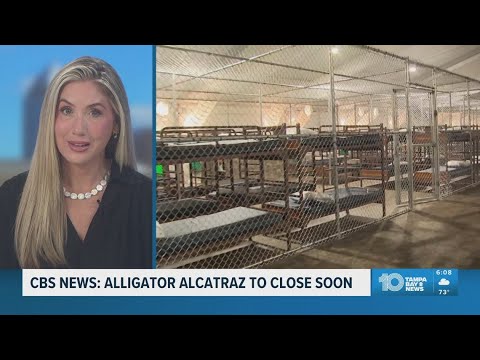
Florida’s infamous “Alligator Alcatraz,” a detention center known for housing alligators and other wildlife, is slated for closure as early as June 2026. This decision has raised questions about the future of wildlife management in the area and the impact on local vendors who have relied on the facility.
Closure Announcement and Implications
According to reports from The New York Times and CBS News, state officials have informed vendors that the facility will cease operations soon. This move comes amid ongoing discussions about the ethical treatment of wildlife and the efficacy of such detention centers. The closure is expected to be finalized within the next few weeks, marking a significant shift in Florida’s approach to wildlife management.
Background on Alligator Alcatraz
Located in the heart of Florida, Alligator Alcatraz has long been a controversial site. Initially established to manage alligator populations and provide educational opportunities for the public, the facility has faced criticism over the years for its treatment of animals and the conditions within the center. Activists have argued that the center’s practices do not align with modern wildlife conservation standards.
Impact on Local Vendors
The impending closure is set to affect several local vendors who have established businesses around the facility. Many of these vendors have relied on the influx of tourists and educational programs that the center provided. With the closure, there are concerns about lost revenue and the need for these businesses to adapt quickly to the changing landscape.
Community Reactions
Reactions from the local community have been mixed. Some residents welcome the closure, viewing it as a necessary step toward improving animal welfare and wildlife conservation. Others, particularly those whose livelihoods are tied to the center, express concern over the economic ramifications.
Voices from the Community
“It’s about time they did something,” said a local wildlife advocate. “We need to prioritize the welfare of these animals over tourism.” In contrast, a vendor who sells souvenirs near the facility lamented, “This place has been a staple for us. If it closes, we will have to find new ways to attract customers.” The community is now left grappling with the potential loss of both wildlife and economic stability.
Future of Wildlife Management in Florida
The closure of Alligator Alcatraz raises important questions about the future of wildlife management in Florida. As state officials consider alternative strategies for managing alligator populations and other wildlife, there is a growing call for more humane and sustainable practices.
Potential Alternatives
Experts suggest that the state could invest in rehabilitation programs and sanctuaries that prioritize animal welfare. These alternatives could provide a more ethical approach to wildlife management while still allowing for educational opportunities for the public. Additionally, there is potential for increased collaboration with conservation organizations to develop programs that benefit both wildlife and local economies.
Looking Ahead
As the closure date approaches, state officials are expected to outline their plans for the future of wildlife management in Florida. The focus will likely shift toward creating environments that support the natural behaviors of alligators and other wildlife, moving away from confinement and detention.
While the closure of Alligator Alcatraz marks the end of an era, it also opens the door for new possibilities in wildlife conservation and community engagement. The state’s decision reflects a broader trend toward prioritizing ethical treatment of animals, a movement that is gaining traction across the nation.
As Florida navigates this transition, the community will be watching closely to see how these changes unfold and what they mean for both wildlife and local businesses. The future remains uncertain, but there is hope that this closure could lead to a more compassionate approach to wildlife management in the Sunshine State.
For more updates, check our latest news coverage.