











Hormuz: what is currently happening

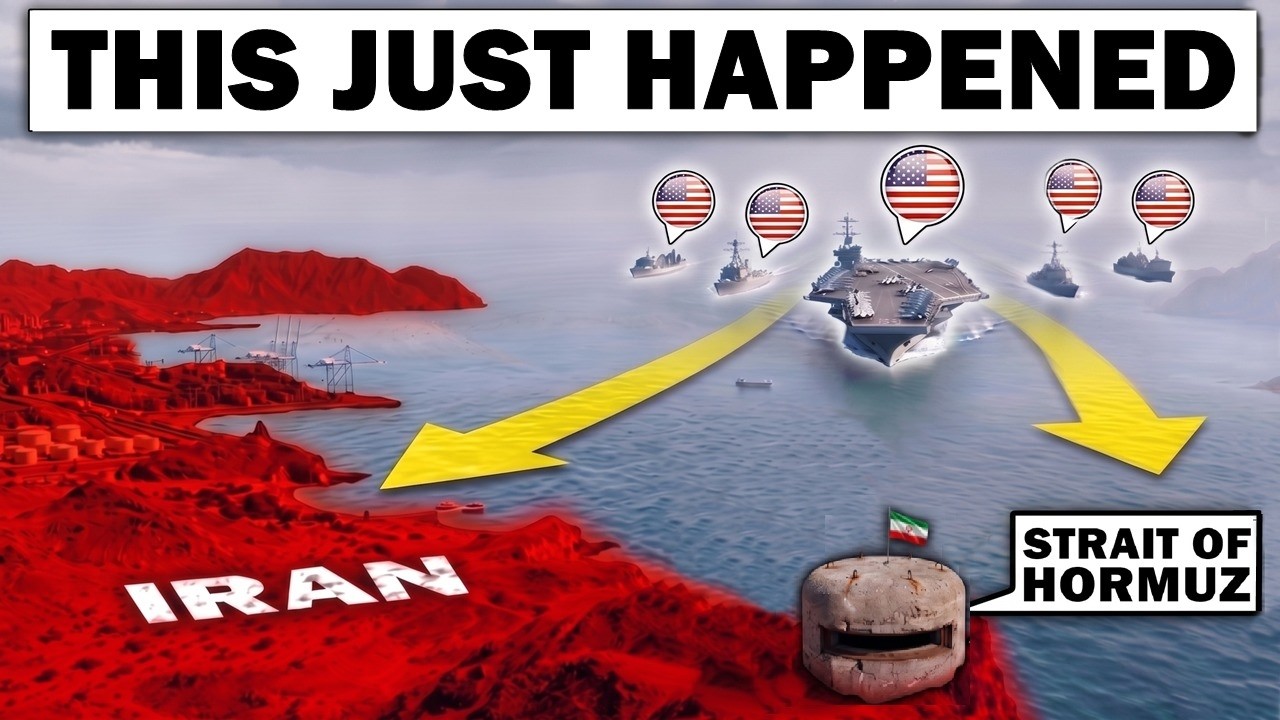
The Strait of Hormuz is today at the heart of international news. This strategic maritime passage, through which a large part of the world oil transits, has become a major point of tension between several powers. Between political rivalries, energy issues and military risks, the situation is changing rapidly and is causing many concerns.
A key passage for world oil
The Strait of Hormuz connects the Persian Gulf to the rest of the world and is an essential route for the transport of hydrocarbons. Every day, millions of barrels of oil pass through it, making it a hotspot for the global economy.
Recently, tankers continued to circulate in the area, proof that the passage remains open despite tensions. However, this circulation strongly depends on the political and military stability of the region.
Growing political and military tensions
The situation around Hormuz is marked by a rise in tensions between Iran and the United States. Threats of military strikes were mentioned in the event of failure of negotiations, in particular around the Iranian nuclear program.
At the same time, some maritime blocking or military pressure initiatives have been put forward, increasing the risks of escalation. This instability makes the region particularly sensitive, as the slightest incident could disrupt maritime traffic.
A division within the international powers
Faced with these tensions, the positions of the great powers diverge. Some countries support a hard line, while others refuse to get involved in a possible military confrontation.
For example, several European nations have made it clear that they do not want to be dragged into a conflict in this strategic zone. This lack of international consensus complicates the management of the crisis.
Between negotiations and uncertainties
Despite the tensions, diplomatic discussions remain active, particularly around the Iranian nuclear program. These negotiations play a central role in the evolution of the situation in Hormuz.
However, the uncertainty remains high. Political announcements, military movements and strategic decisions can quickly change the current balance.
Conclusion
The Strait of Hormuz remains a critical point both on the energy and geopolitical level. If the maritime traffic continues for the moment, the persistent tensions between large powers maintain a climate of instability. In this context, the evolution of the situation will largely depend on the negotiations in progress and on the strategic choices of the actors involved.