











Tensions Rise as Trump Reverses Decision on Strait of Hormuz Reopening

The geopolitical landscape surrounding the Strait of Hormuz has taken a dramatic turn following President Donald Trump’s unexpected decision to halt plans for reopening the strategically vital waterway. This move comes in the wake of significant backlash from U.S. allies and raises questions about the future of shipping routes and international relations in the region.
Trump’s U-Turn: What Prompted the Change?
On May 6, 2026, President Trump announced a reversal of his earlier stance regarding the reopening of the Strait of Hormuz, a crucial passage for global oil shipments. The decision was reportedly influenced by concerns from allied nations about potential security risks and the implications for regional stability. Trump’s initial plan had aimed to ease shipping restrictions that were imposed due to rising tensions with Iran.
International Reactions to the Decision
The backlash from U.S. allies was swift, with many expressing apprehension about the potential for increased hostilities in the region. Countries such as the United Kingdom and France have historically relied on the Strait of Hormuz for oil imports, and any instability could have far-reaching consequences on energy prices and supply chains.
According to NBC News, the abrupt change in policy has left many in the international community questioning the reliability of U.S. commitments in the Middle East. Analysts suggest that this U-turn could undermine U.S. credibility among its allies, especially those who have been vocal in their support for maintaining peace in the region.
Impact on Global Trade and Shipping
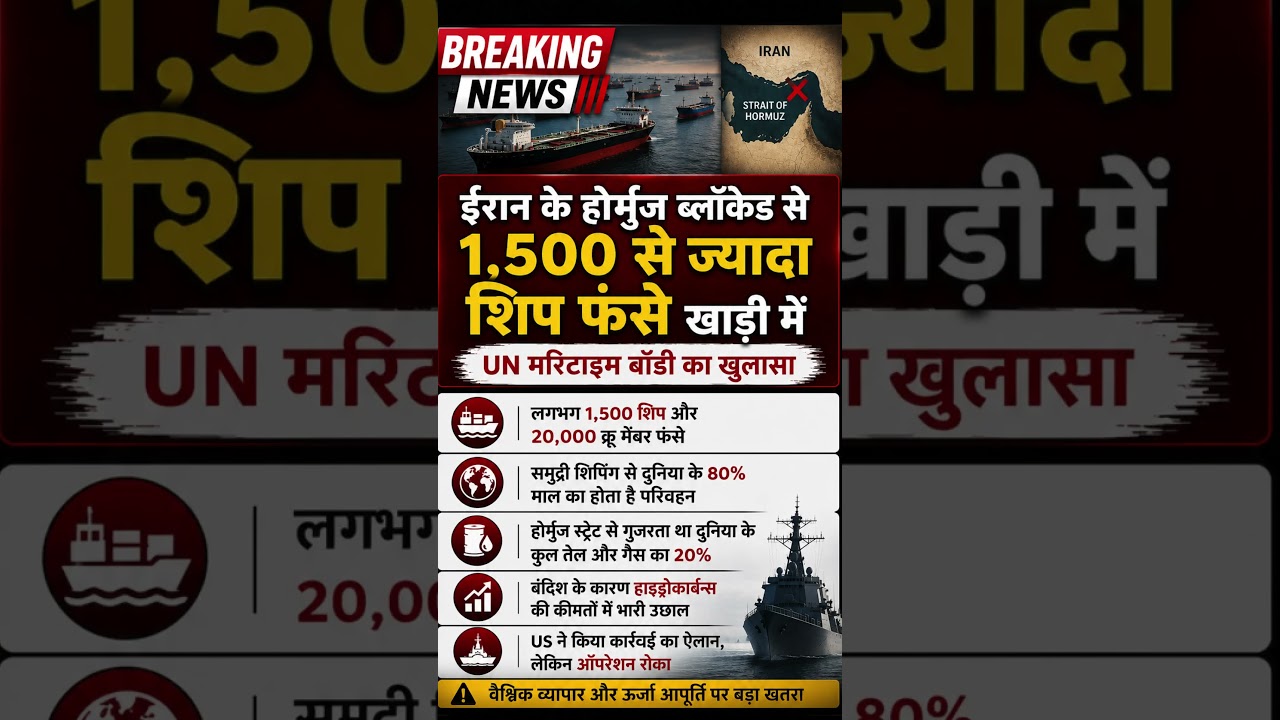
While the reopening of the Strait of Hormuz was anticipated to have significant implications for global shipping, industry experts suggest that the impact may be limited. Maersk, one of the world’s largest shipping companies, indicated that the reopening would not drastically alter cargo flows. This perspective highlights the resilience of global supply chains, which have adapted to various geopolitical challenges over the years.
Shipping Routes and Alternatives
With the Strait of Hormuz accounting for approximately 20% of the world’s oil trade, any disruptions can lead to increased shipping costs and delays. However, shipping companies have been exploring alternative routes and methods to mitigate risks associated with potential conflicts. The development of pipelines and increased reliance on other maritime passages are among the strategies being considered.
In light of the recent developments, Maersk’s assessment suggests that while the Strait of Hormuz remains a critical chokepoint, the global shipping industry is better equipped than ever to handle disruptions. This adaptability is crucial as tensions in the region continue to evolve.
Security Concerns and Military Presence
The decision to keep the Strait of Hormuz closed raises serious security concerns. The U.S. military has maintained a significant presence in the region to deter Iranian aggression and protect shipping lanes. The Pentagon’s strategy has been to ensure freedom of navigation in international waters, especially in light of recent incidents involving Iranian naval forces.
Potential for Escalation
Experts warn that the ongoing tensions could lead to an escalation of military confrontations. The Iranian government has expressed its discontent with U.S. policies, and any perceived aggression could provoke retaliatory actions. This precarious situation underscores the delicate balance of power in the region and the need for diplomatic solutions.
As the situation develops, the international community is closely monitoring the U.S. stance and its implications for regional security. The potential for conflict remains high, and the stakes are significant for both the U.S. and its allies.
Looking Ahead: The Future of the Strait of Hormuz
The Strait of Hormuz will likely remain a focal point of geopolitical tension for the foreseeable future. With President Trump’s recent reversal, the dialogue surrounding the waterway is expected to intensify. Stakeholders in the region, including oil-producing nations and shipping companies, will need to navigate the complexities of international relations while ensuring the stability of critical trade routes.
As the world watches these developments unfold, the need for strategic diplomacy and a unified approach to security in the region has never been more pressing. The implications of the Strait of Hormuz extend beyond oil trade; they encompass broader themes of international cooperation, security, and economic stability.
In summary, President Trump’s decision to reverse the reopening of the Strait of Hormuz has sparked significant debate and concern among allies and industry experts alike. The evolving situation will require careful monitoring and strategic responses to safeguard global trade and maintain peace in this critical region.
For more updates, check our latest news coverage.